
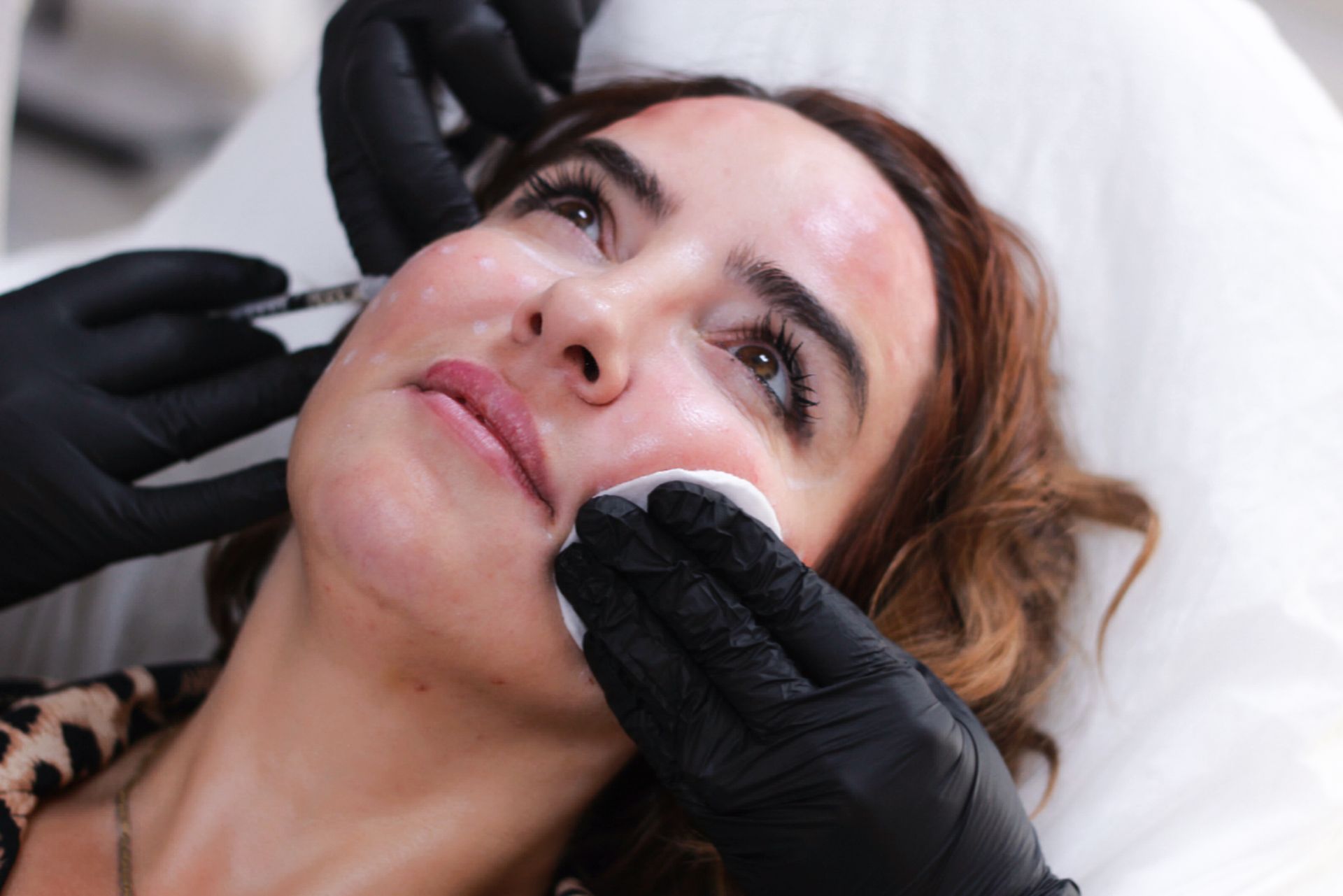

Dermal fillers are substances injected into the skin to restore volume, soften lines, shape the face and smoothen scarring. They are sought after because they are typically less invasive and have minimal downtime. But, fillers are not like regular beauty treatments. It is important for anyone considering a first appointment to be aware of what materials are involved, what realistic results can be expected, what risks may be involved, and why it is important to select a qualified practitioner.
What Are Dermal Fillers?
Today’s fillers are composed of hyaluronic acid, which is a substance that is naturally produced in the body to keep the skin hydrated and plump. Other fillers can be calcium hydroxylapatite, poly-L-lactic acid or polymethylmethacrylate. The properties, uses, life and safety of each material are different.
Filler(s) may be injected into the lips, cheeks, jaw line, under eye hollow, nasolabial folds, and chin. Some products provide instant volume, others stimulate the body to produce collagen over time. This will depend on the area of treatment, desired effect, the condition of the skin, and the practitioner’s assessment.
What Happens During Treatment?
Prior to the injection, the practitioner should discuss your goals, medical history, allergies, medications, past cosmetic procedures and expectations. The skin is cleaned and a topical or local anesthetic can be applied to minimize discomfort. A fine needle or cannula is then used to inject the filler at various spots.
The length of an appointment will vary from 15 minutes to an hour, depending on the number of areas treated. The outcome may be apparent right away, but swelling can temporarily make the outcome appear exaggerated. The final appearance is usually more apparent after a few days when the initial inflammation has settled.
Benefits and Limitations
Fillers can be used to make subtle or noticeable changes without surgery. They can add fullness to the face, help define features, soften some creases and enhance symmetry. They may also be easily removed by a trained practitioner if needed, making them an ideal choice for first-time treatment.
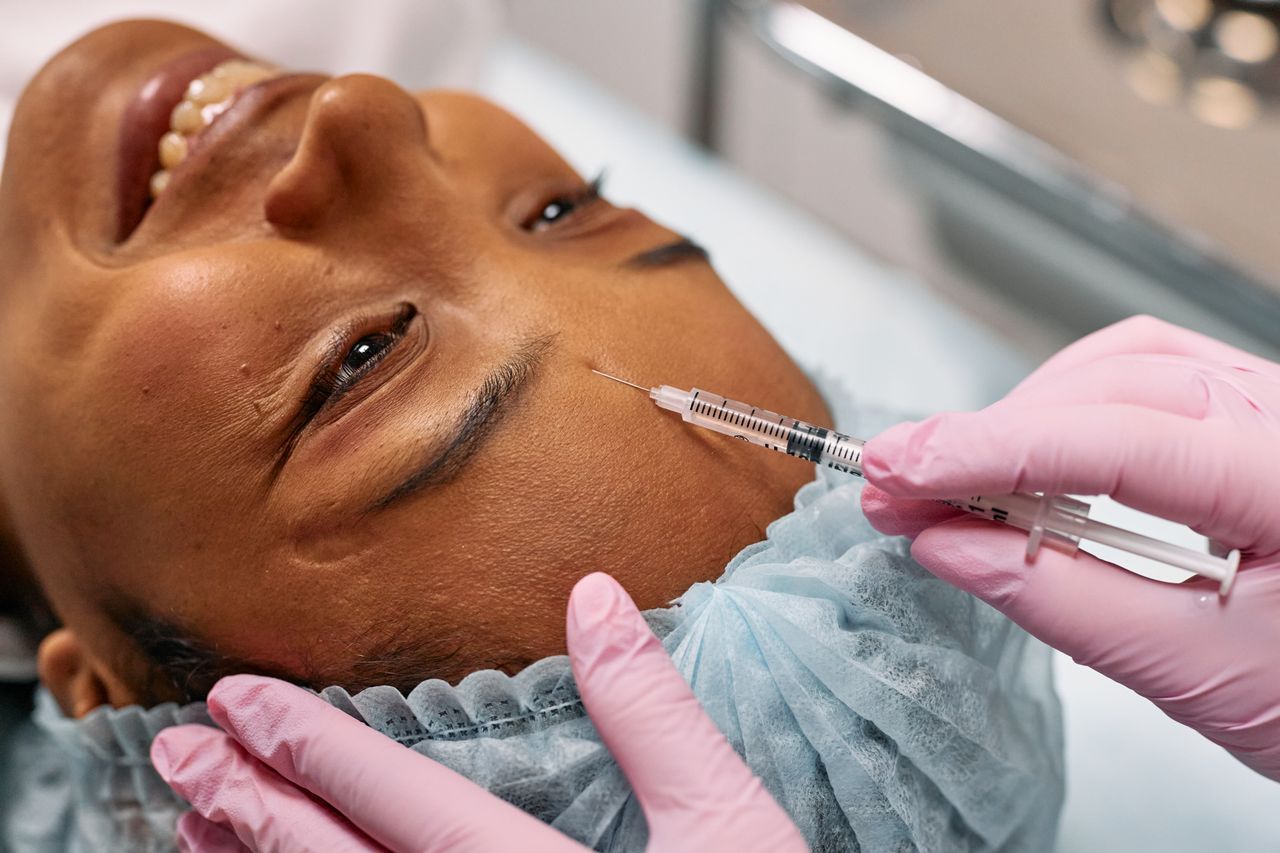
There are no lasting results. The length of time depends on the type of product, where it was injected, one’s metabolism, lifestyle and dosage. Some fillers can last for several months and others can last for a year or more. Fillers will not reverse aging, nor can they tighten loose skin permanently, nor can they ensure symmetry. Careful consultation should be about enhancement and not about impossible transformation.
Risks and Warning Signs
Short-term side effects include tenderness, redness, bruising, swelling, itching and small lumps. These typically get better on their own. Rarer side effects include infection, the presence of nodules, allergic reactions, uneven results and migration of the fillers.
An uncommon but potentially severe problem is when the filler goes into or into contact with a blood vessel. This can cause blood flow to be blocked, which can lead to skin damage, vision problems, or, in rare cases, stroke. If pain is severe or worsening, or if skin appears pale or mottled, or vision changes, or if there is weakness, or difficulty speaking, call the doctor right away.
Choosing a Safe Provider
Choose a licensed medical practitioner who has experience and training in the use of injections. Inquire about product to be used, if the product is approved by the appropriate national regulatory authority, how complications will be managed and what aftercare will be required. Do not take advantage of a discount price, non-branded items, house calls, or practitioners who guarantee flawless results.
Before treatment, let the doctor know if you are pregnant, nursing, have any skin infections, allergies, bleeding disorders, immune system problems, or any medicines or supplements you are taking, including blood thinners. Adhere to directions on alcohol, exercise, make up and touching the area. Avoid any rush with injections due to social media trends or time-limited offers.
Making an Informed Decision
Conservative, evidence-based, and conducted in a proper clinical environment is the safest initial treatment. Make questions, consider other options, and give time to make a decision. While dermal fillers can be beneficial when expectations are reasonable and treatment is well planned, it is important to understand that treatment outcomes are as much about the judgment and safety as it is about the product itself.
